Cognisouls Healthcare LLP

Author name: cognisouls

Uncategorized

What Is Onco-Psychological Support in Nagpur & Why It Matters for Cancer Survivors

Cancer treatment is frequently thought of as a physical battle, but the emotional and mental journey is hard for the survivor . Although medical treatment focuses on eliminating cancer from the body , the mental impact of diagnosis , treatment , and survivorship frequently goes unaddressed . This is where onco psychological support in Nagpur plays a vital role . It provides cancer patients with professional mental health care designed specifically to help them cope with the mental health impact of cancer and recover their quality of life . Onco-emotional support is also known as psycho-oncology , and it’s a specialized form of mental health care that focuses on the emotional , psychological , and social struggles faced by individuals affected by the cancer . It provides support to patients from the time of diagnosis through treatment and long after recovery . For cancer survivors , this support becomes essential as they transition from active treatment to normal life , often carrying emotional scars that are invisible but highly significant . It is common for cancer patients to assume that emotional distress after the treatments is something they must handle alone. Nevertheless, feelings of anxiety, unhappiness, fear, and emotional numbness are common and completely understandable. Many patients struggle with worries about their future, fear of cancer recurrence, changes in body image, and difficulty reconnecting with their personal and professional lives. Onco emotional support in Nagpur addresses these concerns through structured, caring, and clinically supported mental health care . What does Onco Psychological support include ? • Emotional counselling tailored specifically for cancer survivors• Psychological assessment and distress screening• Individual therapy sessions with trained psychologists• Support groups for shared healing and emotional connection• Psychiatric care and medication support when required One of the most significant benefits of onco-psychological support is individual counselling; these one-on-one sessions allow cancer patients to express emotions they may have suppressed during their treatment . Survivors usually feel trauma to stay strong , which can lead to the unresolved emotional pain . Counseling helps process trauma, reduce anxiety , and develop healthy coping strategies for long-term emotional well-being . Group support is another powerful component of onco psychological care . Helping groups bring together cancer patients who share similar journeys , creating a sense of belonging and understanding each other’s . Listening to others stories and sharing and discussing personal struggles helps normalize emotions and reduce stress . Many survivors are finding comfort in understanding they are not being alone in their journey, which significantly improves their emotional recovery . Support from family is also a key part of onco-emotional support. Cancer impacts not only the survivors but also caregivers and loved ones , who may experience emotional exhaustion , fear , or confusion . Guidance for families supports better communication , resolves emotional conflicts , and educates families about the psychological impact of cancer . Strong family advice frequently leads to better mental health outcomes for patients . Why oncopsychological support matters for cancer survivors • Assist in handling anxiety, sadness, and psychological distress• Reduces fear of cancer coming back• Enhance ability to handle stress• Enhance overall quality of life• Help smoother reintegration into daily and social life Cancer patients may appear physically healthy but continue to struggle internally. Without mental health advice, emotional distress can affect sleep , concentration , work performance , and relationships ; in some cases , untreated psychological issues may even impact physical health and recovery . Onco psychological support in Nagpur ensures that patients receive complete care that addresses both mind and body . Nagpur has seen a growing awareness of the importance of mental health in cancer care . Many cancer hospitals and healthcare services in the city now incorporate emotional evaluations into check-up visits . Specialized therapists and support centers provide expert care for cancer patients, focusing on trauma healing , emotional adjustment , and sustained health . Tele-mental health supports have further improved access, allowing survivors to seek support from the comfort of their homes . When should cancer survivors seek emotional support ? • ongoing unhappiness or loss of interest in daily activities• Extreme fear or worry about cancer returning• Problems in sleeping or concentrating• Psychological withdrawal from family or friends• feeling stressed even after treatment completion Pursuing emotional help is not a sign of vulnerability ; it is an active step toward recovery. Initial intervention through onco-emotional support can prevent long-term mental health complications and empower patients to recover control over their lives . Conclusion : Life after cancer is about more than medical recovery—it is about emotional recovery, self-acceptance, and restoring life with self-belief . The onco-psychological help in Nagpur plays an important role in supporting cancer survivors to navigate the emotional well-being of cancer survivors physical health ; they are given the chance to heal their health and move forward to get strength , hope , and resilience .

Uncategorized

Holistic Oncology Services in Nagpur: Blending Medical & Psychological Support

Cancer care has evolved substantially over the years. Today, successful treatment is no longer defined only by medical outcomes such as tumor reduction or remission. Well, healing involves addressing the physical, emotional, psychological, and social needs of survivors. This is very helpful to get an integrated approach known as holistic oncology. The growing availability of holistic oncology services in Nagpur affects a very good understanding that the cancer survivor treatment must care for the whole person, not just the disease. Holistic oncology involves high-level medical treatment with psychological help, emotional care, and lifestyle assistance. While chemotherapy, radiation, surgery, and targeted treatment focus on the physical elements of cancer, psychological support helps patients cope with fear, stress, trauma, and uncertainty. In Nagpur many healthcare and clinic providers are now managing the adoption of the complete model to improve survivors’ effects and overall, importantly, the quality of life. A cancer diagnosis frequently brings emotional shock, nervousness, and fear for both survivors and their families. During cancer treatment, individuals may experience emotional exhaustion, depression, worries about body image, and feelings of loss of control. Although treatments end, survivors may face lots of struggle with fear of cancer returning again. Holistic oncology services in Nagpur. Alongside medical treatment, start forms from the very beginning. What Makes Oncology Care Holistic?• focuses on physical, emotional, psychological, and social well-being• Including medical health professionals in cancer care together• Individualized treatment strategies for the cancer patients• Assistance for caregivers and family members• Importance of long-term survivorship and importance of life A very important component of holistic oncology is psychological support, frequently provided through psycho-oncology support. Psychologists and caregivers trained in cancer care support and help patients to manage their emotional distress, develop coping plans and strategies, and process trauma related to diagnosis and treatment. This will support improved emotions and help patients remain engaged and motivated throughout their cancer journey. Medical treatment develops into something more effective when psychological health is addressed. Studies have shown that survivors who receive emotional and mental health support regularly experience very good treatment adherence, decreased stress levels, and increased recovery. Holistic oncology services in Nagpur identify this together and work toward creating a helpful healing and managing environment that will benefit both mind and body. A different important element of holistic care is patient education and communication. Awareness about the disease, care options, and capacity of side effects helps reduce fear and uncertainty. Holistic oncology teams manage open communication, allowing patients to ask questions and actively participate in decision-making. This sense of involvement encourages managing patients and enhances emotional self-belief during their treatment. Psychological Support Offered in Holistic Oncology .• Individual counseling to help them with anxiety, depression, and emotional distress• psycho-oncology designed specifically for cancer patients and survivors.• Helping groups and supporting shared experiences and emotions together• Stress reduces management, awareness, and stress-reduction techniques.• Family support and caregiver counselling Family involvement plays a vital role in cancer holistic oncology. Cancer affects not only the survivors but also caregivers who may suffer from physical and emotional exhaustion, fear, and emotional strain. Counselling and support services for families help improve communications, manage experiences and their expectations, and strengthen emotional bonding. When their families are supported, then patients feel happier and secure and emotionally stable during their treatments. Nagpur has experienced a continuous transition to integrated cancer care. Many hospitals now involve mental health screenings as a part of routine oncology visits. Private clinics and cancer centers offer combined medical and psychological support under one roof. Tele-mental health supports have further increased access, allowing patients to receive psychological support even during physically demanding treatment stages. Holistic oncology also concentrates on survivorship care. Finishing treatment does not mean the end of feelings or distress. Survivors may struggle with remaining anxiety, physical regulations and limitations, or changes in identity. Persistent psychological recovery helps survivors rebuild confidence, set new life goals, and regain a sense of regularity. Holistic oncology services in Nagpur ensure continuity of care beyond active supports and treatments. Benefits of Holistic Oncology Services• Decreased emotional distress and nervousness• Increase treatment compliance and fast recovery• Best coping skills during and after the cancer treatments• Improved patient’s fulfillments and beliefs• Enhanced overall quality of life Survivors looking for holistic oncology care are motivated to share their mental health openly with their team. Early psychological intervention can manage and prevent long-term emotional complications and enhance the treatment experience. Looking for emotional recovery is not a sign of nervousness but an active step towards finished recovery. Conclusion : Long cancer treatments are very effective when they address both physical and psychological well-being. Holistic oncology services in Nagpur involve and promote compassionate and comprehensive things that blend hospital expertise with psychological recovery. By treating the whole person rather than just the cancer disease, holistic oncology encouraged survivors to face cancer with strength and hope. Leading to good outcomes and a more meaningful recovery .

Uncategorized

Mental Health Services in Nagpur for Cancer Survivors: Psycho Oncology Explained

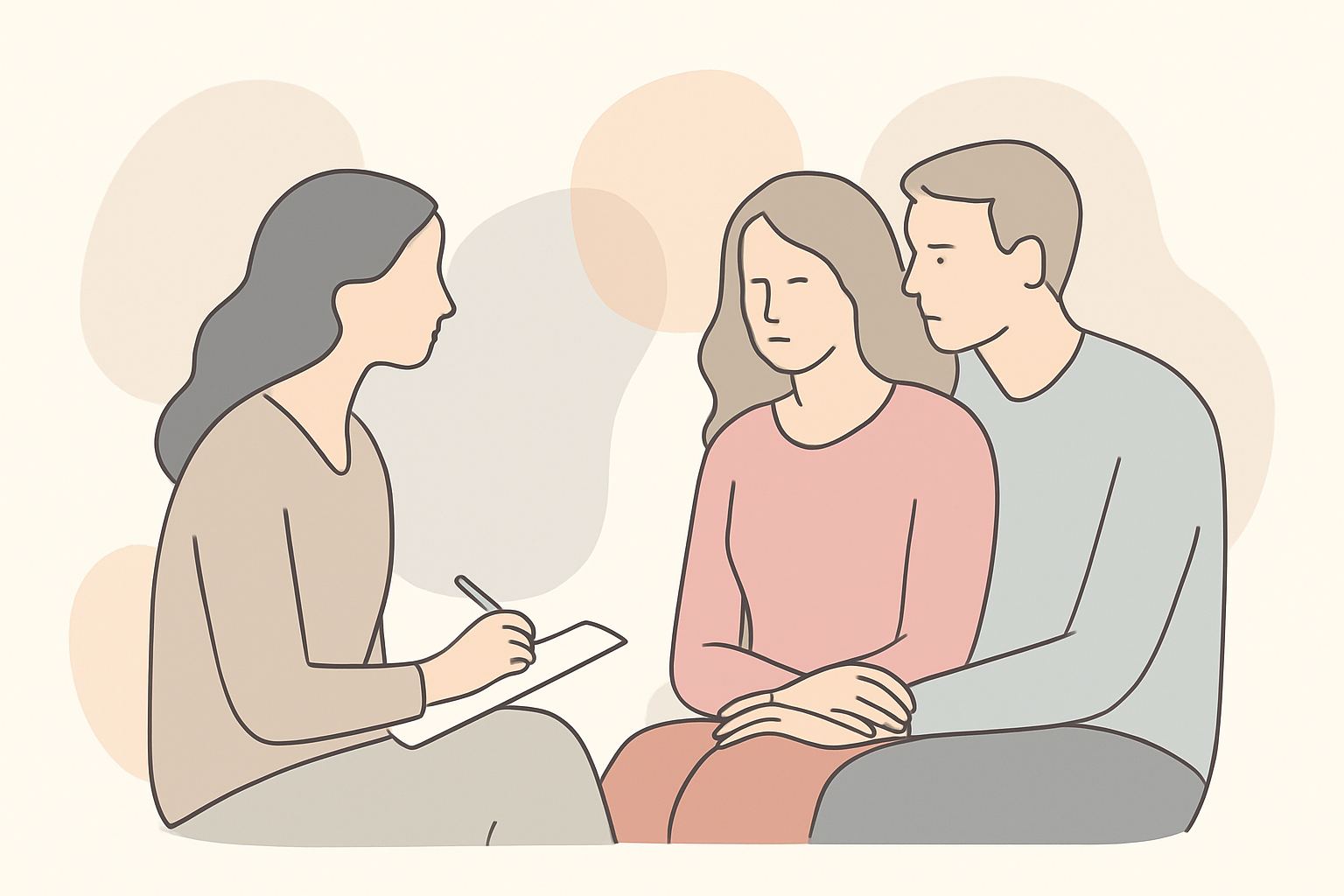
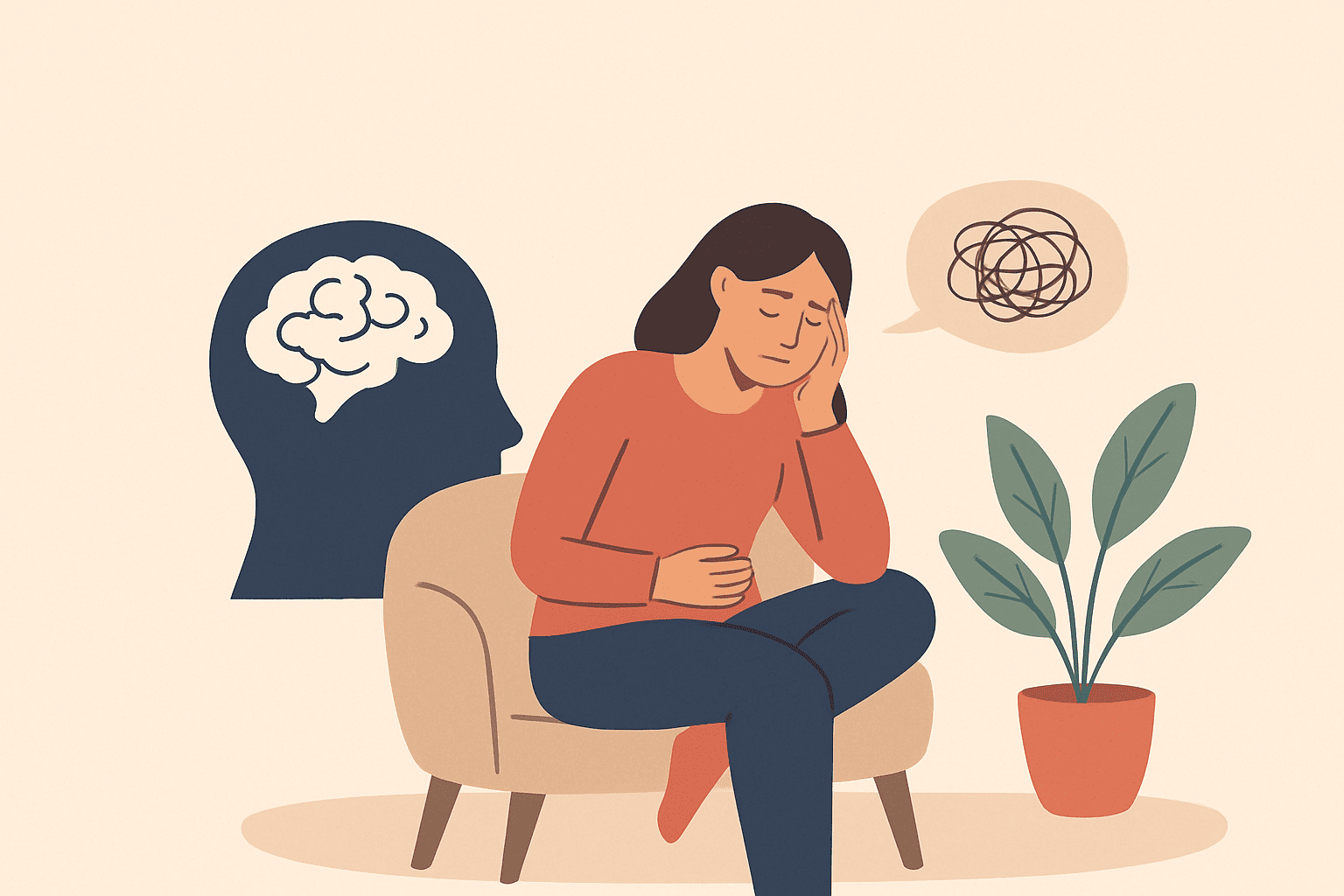
Cancer survivorship is often seen as the end of a difficult medical journey, but for many individuals, it marks the beginning of a new emotional and psychological phase. While the body may heal with treatment, the mind often carries the weight of fear, trauma, and uncertainty long after cancer care ends. This is why mental health services in Nagpur for cancer survivors have become increasingly important. Psycho-oncology, a specialized field of mental health care, focuses on helping survivors navigate the emotional challenges associated with cancer and recovery. Psycho-oncology addresses the psychological, emotional, and social impact of cancer on patients and survivors. It recognizes that cancer affects more than just physical health—it influences emotions, self-identity, relationships, and overall quality of life. In Nagpur, mental health professionals trained in psycho-oncology work alongside oncology teams to ensure survivors receive holistic care that supports both emotional healing and long-term wellbeing. For many cancer survivors, emotional distress becomes more noticeable after treatment is completed. During treatment, survival often becomes the primary focus, leaving little space to process emotions. Once treatment ends, feelings such as anxiety, fear of recurrence, sadness, or emotional numbness may surface. Without proper intervention, these feelings can interfere with daily life, relationships, and work. Mental health services in Nagpur play a crucial role in identifying and addressing these challenges early through psycho-oncology support. Common Emotional Challenges Faced by Cancer Survivors Psycho-oncology uses evidence-based therapeutic approaches to help survivors cope with these challenges. Individual counseling is a key component, offering a safe and confidential space to express emotions openly. Trained psychologists help survivors understand their emotional responses, challenge unhelpful thought patterns, and develop effective coping strategies. Therapy not only reduces distress but also builds emotional resilience and self-confidence. Group therapy and support groups are also important aspects of psycho-oncology. These groups bring together cancer survivors who share similar experiences, creating a sense of understanding and connection. Many survivors feel comforted by knowing they are not alone in their struggles. Group sessions encourage emotional expression, shared learning, and mutual support, which can significantly improve mental wellbeing. What Do Psycho-Oncology Services Include? Family involvement is another vital element of psycho-oncology. Cancer affects not only the survivor but also loved ones and caregivers who may experience emotional strain, fear, or burnout. Family counseling offered through mental health services in Nagpur helps improve communication, manage emotional stress, and strengthen support systems. When families receive guidance and emotional care, survivors often experience a smoother emotional recovery. Nagpur has made significant progress in integrating mental health into cancer care. Many oncology hospitals now include routine psychological screenings as part of follow-up care. Private mental health clinics offer specialized psycho-oncology services tailored to cancer survivors’ needs. Tele-mental health options have also increased accessibility, allowing survivors to receive support from the comfort of their homes. Benefits of Psycho-Oncology for Cancer Survivors Seeking mental health support is an essential step in the recovery journey. Emotional struggles after cancer are common and valid, and professional help can make a meaningful difference. Early intervention through psycho-oncology can prevent long-term psychological complications and empower survivors to regain control over their lives. When Should Survivors Seek Mental Health Support? In conclusion, cancer recovery extends far beyond medical treatment. Emotional healing, psychological resilience, and social support are essential for long-term wellbeing. Mental health services in Nagpur for cancer survivors, supported by psycho-oncology, provide compassionate and specialized care that addresses the invisible wounds of cancer. By integrating mental health into survivorship care, psycho-oncology empowers survivors to move forward with strength, hope, and a renewed sense of purpose

Uncategorized

How Therapy Transforms Lives: Understanding CBT, REBT, and Interpersonal Psychotherapy.

At CogniSouls Healthcare LLP, we believe therapy is more than just talking—it’s about equipping individuals with the right tools to heal, grow, and transform their lives. Every person’s journey is unique, and different therapeutic approaches cater to different needs. Let’s explore three widely used, evidence-based therapies that we offer—Cognitive Behavioral Therapy (CBT), Rational Emotive Behavioral Therapy (REBT), and Interpersonal Psychotherapy (IPT)—and understand how they can empower positive change. Cognitive Behavioral Therapy (CBT): Reframing Thoughts, Reclaiming Life CBT is one of the most effective and widely recognized forms of therapy. It focuses on the connection between thoughts, emotions, and behaviors. Often, unhelpful or distorted thinking patterns fuel anxiety, depression, or stress. CBT helps individuals identify these patterns and replace them with healthier, more constructive thoughts. 🔹 Example: Someone struggling with performance anxiety may constantly think, “I’m going to fail, everyone will judge me.” CBT helps them challenge this thought, look at evidence realistically, and reframe it into, “I’ve prepared well, and even if I make mistakes, it’s part of learning.” This shift reduces fear and improves confidence. Why it works: CBT is structured, practical, and goal-oriented. It equips individuals with lifelong coping strategies to manage stress, low mood, or fears. Rational Emotive Behavioral Therapy (REBT): Challenging Beliefs, Building Resilience Developed by Albert Ellis, REBT is rooted in the idea that it’s not external events but our beliefs about them that determine how we feel. Sometimes, we hold irrational or rigid beliefs like “I must be perfect,” or “Others must always treat me fairly.” These beliefs can create frustration, anger, or hopelessness. 🔹 Example: A young professional who loses a promotion might think, “This is unbearable, I’m a failure.” Through REBT, they learn to recognize this as an irrational belief. With guidance, they replace it with a rational one: “This is disappointing, but it doesn’t define my worth. I can learn and do better next time.” Why it works: REBT builds resilience by teaching people to dispute irrational beliefs and embrace a healthier, flexible mindset. Interpersonal Psychotherapy (IPT): Healing Through Relationships While CBT and REBT focus on thoughts and beliefs, IPT emphasizes the role of relationships and social support in emotional well-being. It helps individuals understand how unresolved conflicts, grief, role transitions, or social isolation affect their mental health. 🔹 Example: Someone experiencing depression after a difficult breakup may withdraw from friends and family. IPT helps them process grief, rebuild connections, and develop healthier communication patterns, which ultimately strengthens emotional resilience. Why it works: IPT empowers individuals by improving relationship skills, fostering social support, and enhancing self-worth. Choosing the Right Therapy for You Each therapy offers unique benefits, and the choice depends on your specific challenges, preferences, and goals: At CogniSouls, our expert psychologists work closely with clients to recommend the most suitable approach—or sometimes a combination of therapies—for maximum impact. The Transformative Power of Therapy Therapy doesn’t just help with symptom relief; it transforms the way you see yourself and the world. It fosters self-awareness, strengthens resilience, and enhances your ability to navigate life’s challenges with confidence. Whether it’s breaking negative thought cycles, challenging irrational beliefs, or healing through relationships, therapy provides the tools for long-term growth and well-being. At CogniSouls, we’re committed to walking alongside you in this journey—because everyone deserves not just to survive, but to thrive.

Uncategorized

Practical Mental Wellness Tips for Managing Stress in Everyday Life

In today’s fast-paced world, stress has almost become part of our daily routine. Deadlines, responsibilities, and unexpected challenges often weigh heavily on our minds and bodies. While a certain amount of stress is normal, prolonged stress can affect our mental and physical health. The good news is that with simple, practical steps, we can manage stress effectively and live a more balanced life. 1. Simple Coping Strategies to Stay Grounded Mindfulness Mindfulness is the practice of being fully present in the moment without judgment. Whether it’s taking a few deep breaths, observing your surroundings, or eating slowly, mindfulness helps break the cycle of overthinking. Even 5–10 minutes of mindful breathing daily can reduce anxiety and improve focus. Journaling Writing down your thoughts is a powerful way to release mental clutter. Journaling helps you process emotions, track stress triggers, and reflect on what’s going well. Keeping a gratitude journal—listing just three positive things each day—can also shift your mindset toward positivity. Grounding Exercises Grounding techniques bring you back to the present, especially during overwhelming moments. A simple method is the 5-4-3-2-1 exercise: name 5 things you see, 4 things you can touch, 3 things you hear, 2 things you smell, and 1 thing you taste. This calms racing thoughts and re-centers your mind. 2. Building a Balanced Lifestyle Stress management isn’t only about coping tools—it’s also about building a foundation for overall wellness. 3. How Counseling and Evidence-Based Therapies Help While self-care is essential, sometimes stress becomes overwhelming or persistent. This is where professional help makes a significant difference. Therapy is not only for those in crisis—it is also for anyone who wants to grow, manage stress better, and enhance overall well-being. Final Thoughts Stress may be a part of life, but it doesn’t have to control it. By practicing mindfulness, journaling, grounding exercises, and adopting a balanced lifestyle, you can create a strong foundation for mental wellness. And when needed, seeking counseling or therapy can provide deeper healing and long-term growth. At CogniSouls, we believe stress management is about empowering you with the tools and support you need to live with clarity, calmness, and confidence.

Uncategorized

Breaking the Stigma: Why Mental Health Care is as Important as Physical Health

In today’s fast-paced world, conversations around health often revolve around diet, exercise, and physical fitness. Yet, one crucial aspect of overall well-being—mental health—is still shrouded in silence, stigma, and misunderstanding. Just as we visit a doctor for a fever or injury, it is equally important to seek support for our emotional and psychological well-being. At CogniSouls Healthcare LLP, we believe that acknowledging, accepting, and addressing mental health is not a weakness—it is an act of strength and self-care. Why Mental Health Should Be Normalized in Conversations Imagine telling a friend you’re going to see a cardiologist—no one would raise an eyebrow. But if you mention visiting a psychologist or therapist, people may react with surprise, discomfort, or even judgment. This disparity highlights the stigma that continues to surround mental health. Normalizing mental health discussions means: The truth is, we all have mental health, just as we all have physical health. And just like our bodies, our minds need care, attention, and professional support when necessary. Common Misconceptions About Therapy Despite growing awareness, myths about therapy prevent many individuals from seeking help. Let’s break some of the most common ones: By debunking these myths, we can help more people embrace therapy as a natural and effective part of health care. How Professional Help Empowers Healing and Growth Mental health care is not just about managing symptoms—it’s about unlocking your full potential. Professional counseling and psychotherapy can empower individuals in profound ways: At CogniSouls Healthcare LLP, we provide a safe, confidential, and compassionate environment where individuals and families can explore their concerns without fear of judgment. Our goal is not just to treat, but to empower clients to thrive emotionally, psychologically, and socially. Final Thoughts Mental health is health—no less important than physical well-being. By breaking the stigma, debunking misconceptions, and embracing therapy as a path to healing, we can create a society where seeking help is seen as courageous, not shameful. Remember: taking care of your mental health is not a luxury—it is a necessity. Just as we nurture our bodies with healthy food and exercise, our minds deserve the same care and attention. At CogniSouls, we stand by you in your journey toward healing, growth, and holistic wellness. Because when your mind is healthy, every aspect of your life becomes brighter, stronger, and more fulfilling.